Phone: (+33) 625 16 20 71 - Sunday to Friday
contact@alliancemedicalfrance.fr
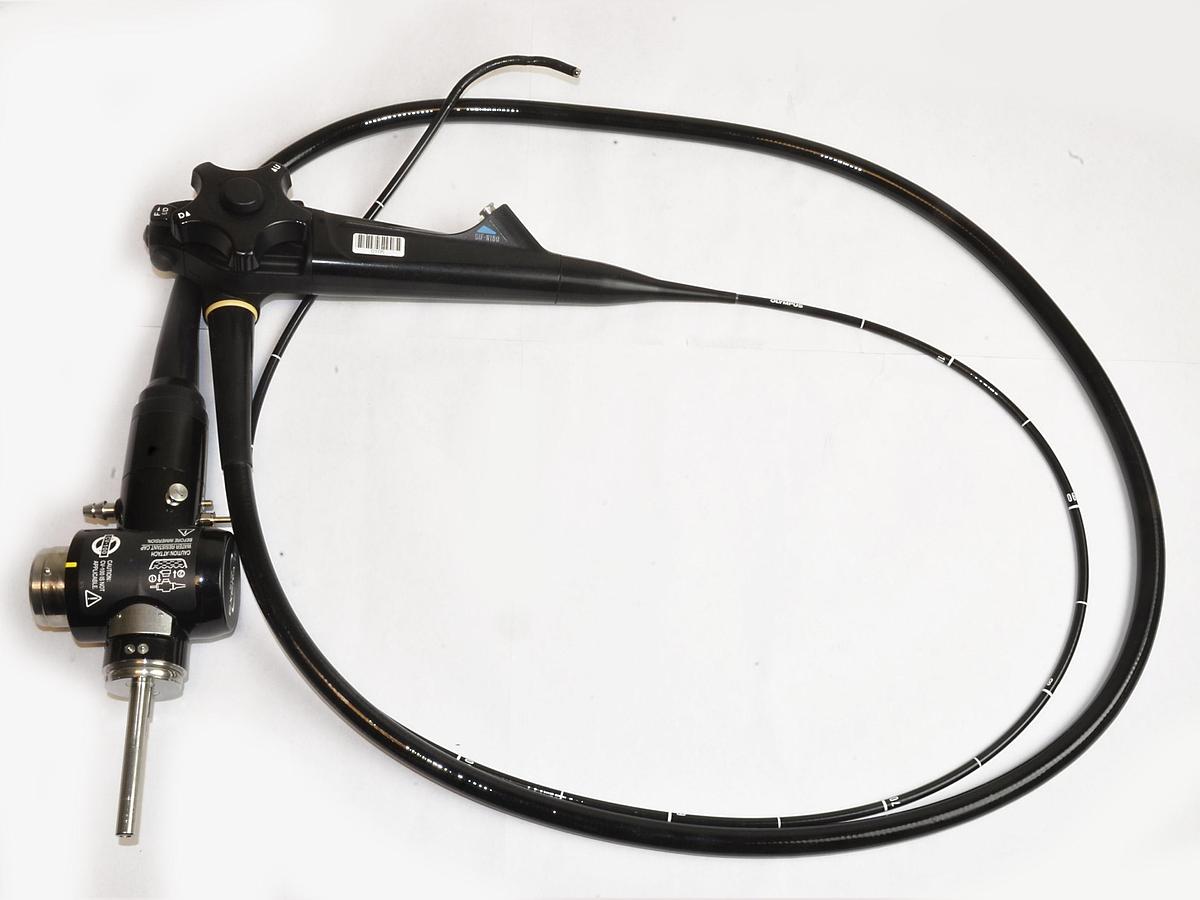
Olympus GIF-N180 is a slim transnasal video gastroscope with a 4.9 mm insertion tube, 120° field of view, 2.0 mm channel and 1100 mm working length. NBI support enables detailed upper GI examination.
The OLYMPUS GIF-N180 is a slim video gastroscope designed for upper gastrointestinal examinations, particularly transnasal procedures. Its compact insertion tube is intended to support patient comfort while providing access to the upper digestive tract.
The OLYMPUS GIF-N180 is intended for diagnostic upper gastrointestinal endoscopy, including visualization of the esophagus, stomach and duodenum. Its narrow profile makes it particularly suited to transnasal examinations and situations where minimizing patient discomfort is an important consideration.
The GIF-N180 was developed around a slim endoscopic design. By using a narrow insertion tube, the instrument can facilitate transnasal access and may allow examinations to be performed with reduced sedation requirements, depending on the patient and clinical protocol.
Its compact profile can also provide an alternative for selected patients who may have difficulty tolerating a conventional gastroscope. As with all endoscopic procedures, suitability should be determined by the healthcare professional according to the patient's condition and the intended examination.
The OLYMPUS GIF-N180 is a slim video gastroscope designed for upper gastrointestinal examinations, particularly transnasal procedures. Its compact insertion tube is intended to support patient comfort while providing access to the upper digestive tract.
The OLYMPUS GIF-N180 is intended for diagnostic upper gastrointestinal endoscopy, including visualization of the esophagus, stomach and duodenum. Its narrow profile makes it particularly suited to transnasal examinations and situations where minimizing patient discomfort is an important consideration.
The GIF-N180 was developed around a slim endoscopic design. By using a narrow insertion tube, the instrument can facilitate transnasal access and may allow examinations to be performed with reduced sedation requirements, depending on the patient and clinical protocol.
Its compact profile can also provide an alternative for selected patients who may have difficulty tolerating a conventional gastroscope. As with all endoscopic procedures, suitability should be determined by the healthcare professional according to the patient's condition and the intended examination.
 Francais